How Memory Foam vs. Latex Mattresses Compare for Spinal Alignment
Published September 30, 2026
In the quiet drama of the sleeping night, the mattress stands as a stage for posture, pressure, and rest. Among the most debated performers in the bedroom are memory foam and latex mattresses. Each material brings a distinct approach to support and contour, influencing how the spine rests in alignment from the shoulders to the hips and lower back. This article examines the material properties that shape comfort, the implications for spinal alignment, and how to choose between memory foam and latex based on body type, sleep position, and personal preferences.
What memory foam and latex feel like—and why that matters for your spine
Memory foam is known for its slow, progressive contouring. When you lie down, the foam yields to your curves, distributing weight to minimize pressure points. This can create a cradle-like feel that helps align the spine by keeping shoulders and hips on a relatively even plane, particularly for side sleepers who shoulder the brunt of body mass in the upper body and hips.
Latex, whether Dunlop or Talalay, tends to offer a more responsive, buoyant lift. It may contour less aggressively than memory foam, delivering support with a springy yet stable feel. For some sleepers, this translates into better chest and hip support without the “hug” effect memory foam can create. The result is a balance between contour and alignment that can feel more energetic under the body, potentially aiding spinal posture for back sleepers.
The differences matter because spinal alignment is not a single, one-size-fits-all outcome. Alignment is a dynamic result of body weight, sleeping position, mattress firmness, and material properties. In practice, memory foam’s deeper contour can reduce motion transfer and feel forgiving for heavier areas of the body, while latex’s resilience can support the natural curves with a more responsive surface that some prefer for mid-to-light body types.
Firmness, contour, and how they influence alignment
Firmness—often described as soft, medium, or firm—appears simple, but it interacts with material behavior in nuanced ways. A memory foam mattress may feel “firmer” or stiffer in support at a given feel rating because the foam’s density and thickness determine how quickly it rebounds. A memory foam layer that’s thick can deliver a strong initial contour that gradually relieves pressure along the spine, which can be favorable for maintaining neutral alignment for some sleepers.
Latex products can maintain a more consistent surface under varying loads due to their elastic properties. While a latex mattress may offer a similar overall firmness rating as memory foam, the surface tolerance—the degree to which the mattress yields under pressure—tends to be different. For back sleepers, a medium to slightly firmer latex layer can align the spine by supporting the lumbar region without letting the hips sink excessively. For side sleepers, a softer top layer of latex can cushion the shoulders and hips to reduce twisting and keep the spine in a straighter line.
In both cases, the goal isn’t to “straighten” the spine like a rigid rod, but to minimize wakings from pressure that force the spine out of its neutral posture. The body’s natural curves require a balance between support and contour. That balance is where memory foam and latex diverge in their practical outcomes.
Pressure relief and spinal health across sleep positions
For memory foam, the deep conforming surface can distribute weight across a wider contact area, reducing high-pressure points at the heels, sacrum, and shoulders. This is particularly helpful for individuals who experience localized pressure discomfort or sleep on the side. When pressure points are relieved, sleep continuity improves, contributing to a steadier spinal alignment throughout the night.
Latex provides a different approach to pressure relief. Its resilience supports the body while allowing a modest amount of movement and air, which can help with temperature regulation and freshness at the contact surface. This can be advantageous for back sleepers who require stable support at the lumbar region, while still allowing adequate relief at shoulder and hip regions without excessive sinking.
It is essential to connect pressure relief with alignment: a mattress that alleviates pressure in one area but causes sagging elsewhere can shift the spine out of neutral. The right combination of materials, thickness, and layering is what ultimately supports and maintains spinal health over the long term.
Allergies, durability, and the practical realities of memory foam and latex
Allergy considerations can influence the choice between memory foam and latex. Some individuals are sensitive to latex proteins, though many latex mattresses are constructed with processed latex that is hypoallergenic and free from airborne irritants. For those with sensitivities, it is wise to check certifications and testing data for the specific product. Memory foam, typically made from polyurethane foam with various additives, also carries allergen considerations, including potential off-gassing and chemical scents for some users. A well-ventilated room and proper break-in period can mitigate many concerns.
Durability also plays a role in long-term spinal alignment. Latex mattresses tend to resist sagging and maintain supportive zones longer than some core memory foam configurations, particularly in cheaper foams. However, memory foam can last equally well when constructed with high-density formulations and careful layering. Buyers should review density ratings, warranty terms, and expected abatement of contour over time to gauge long-term support for the spine.
The science of sleep emphasizes that mattress performance is a function of material properties, manufacturing quality, and the sleeper’s unique physiology. A mattress that holds spinal alignment for one person may require adjustment for another, underscoring the value of trial periods, return policies, and a measured approach to choosing a bed that supports healthy posture night after night.
Material comparisons: memory foam vs. latex—what to look for
- Memory Foam: Look for density and thickness. Higher-density foams (around 4 to 5 pounds per cubic foot) generally offer more durable contour and slower rebound, which can support the spine with a stable cradle. Consider the presence of support cores or transition foams to prevent excessive sink and to preserve alignment.
- Latex: Differentiate between Dunlop and Talalay. Talalay latex often provides a lighter, more buoyant feel with uniform cells and a smoother surface, while Dunlop tends to be denser and possibly firmer, which can influence the spine’s alignment dynamics. Ensure the correct layering and firmness profile to address your sleeping position and body type.
- Hybrid configurations: Some mattresses blend memory foam and latex or pair latex with innerspring cores that are coil-based. In the context of spinal alignment, hybrids can offer a balance of contour and lift, but the coil system may reintroduce motion or affect sink depth. If you favor springless options, pay close attention to whether the construction remains non-coil while delivering the desired feel.
- Certifications and materials: Certifications such as GOLS (Global Organic Latex Standard) and OEKO-TEX or CertiPUR-US can provide assurance about materials and safety. When alignment matters, having a transparent specification for layers, cover materials, and regulatory compliance helps ensure consistent performance over time.
Choosing a springless path for spinal alignment
For readers who are specifically evaluating springless options, the choice between memory foam and latex often comes down to how you sleep, how you move through the night, and how you wake in the morning. If your priority is a deeply contoured feel with a pronounced cradle for pressure relief, memory foam can be an excellent match. If you prefer a resilient, responsive surface that maintains a more lifted spine with less sink, latex may be the better option.
In practical terms, trial periods are invaluable. If you can, test both options on a similarly sized foundation or bed frame, and measure how your shoulders, hips, and lower back align during sleep. Pay attention to mornings when you wake with stiffness versus mornings when you feel more at ease. Alignment is not only a function of the mattress; it is a reflection of how your body interacts with the surface across the night.
For partners sharing a bed, consider the edge support and how the surface behaves under different weight distributions. A mattress that maintains consistent alignment across the central third of the surface can help both sleepers avoid subtle shifts in posture that accumulate over time.
A note on the specific products available
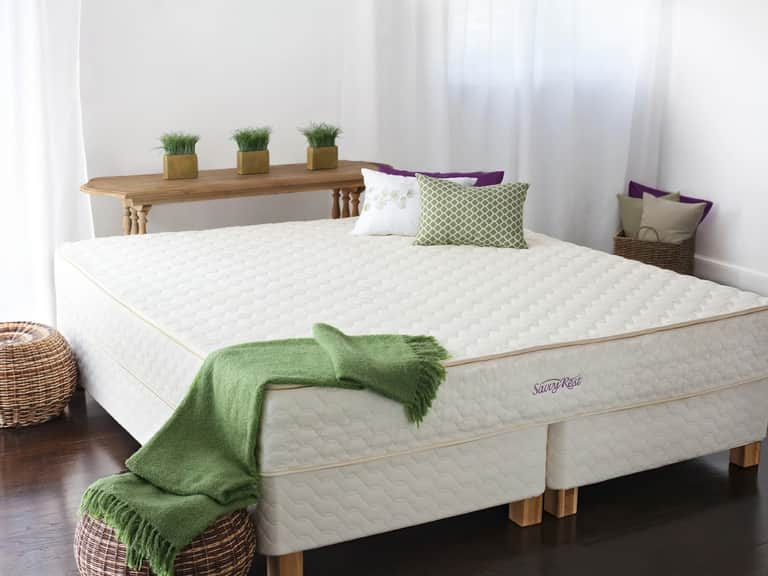
The Springless domain often intersects with carefully curated, high-quality materials. Among the offerings available in related catalogs, one standout example in the realm of latex-based sleep systems is the Savvy Rest Serenity Latex Mattress. This mattress represents a customizable, all-latex configuration with organic materials designed to support varied body types and sleep positions. While the Serenity is a separate product line, its emphasis on layered latex components illustrates how a springless design can achieve tailored contour and robust spinal alignment. If you are exploring latex-based springless options, the Serenitiy’s approach to layering soft, medium, and firm latex layers can inspire how to think about layering in your own selection.
In evaluating any springless option, verify details such as layer composition, densities, and the sourcing of materials. A reputable manufacturer will provide transparent specifications and a clear warranty, helping you assess how long alignment benefits may be preserved and how easy it is to adjust the configuration if needed.
Conclusion: alignment through informed choice
Memory foam and latex mattresses each offer pathways to spinal alignment informed by material science and personal comfort. Memory foam’s contour can cradle the spine with generous pressure relief, while latex’s buoyancy can sustain a more supportive, springless surface that preserves the spine’s natural curves without excessive sink. The best choice is not predetermined by a single factor but by a careful synthesis of sleeping posture, body weight distribution, personal sensitivities, and the long-term durability you expect from your investment.
As you embark on a springless journey, prioritize verified specifications, trial periods, and a balanced set of criteria: contour depth, firmness consistency, edge support, temperature regulation, and a credible warranty. With thoughtful evaluation, you can select a mattress that sustains proper spinal alignment through countless nights of restorative rest.
Further reading and practical resources
For readers seeking a broader understanding of sleep science, ergonomics, and mattress technology, consider exploring peer-reviewed studies on spinal alignment, pressure distribution, and sleep quality. Independent consumer reports and material certification standards can provide additional clarity when comparing memory foam and latex products.
If you are evaluating a specific product, review its official product page for detailed layer arrangements, densities, and any certifications relevant to safety and sustainability. A well-informed choice blends scientific understanding with personal comfort, yielding a springless sleep experience that supports healthy posture night after night.
Product notes and availability
The article references general material properties and practical considerations for memory foam and latex mattresses. In the context of this site, a representative example of a springless option is the Savvy Rest Serenity Latex Mattress, which showcases layered latex composition and organic materials. Prospective buyers can review the product page for detailed configurations, care instructions, and warranty terms. This article does not endorse any specific product and encourages readers to consult vendor resources and independent reviews to inform their decision.
Availability and specifications may change; always verify current details with the retailer or manufacturer before purchasing.