Mattress toppers are designed to modify the feel, support, and longevity of existing sleep surfaces without requiring a full mattress replacement. A springless topper typically relies on foam, latex, or other compliant materials to enhance contouring, pressure relief, and heat management. Understanding material properties helps determine suitability for different sleeping positions and body weights.
Key features of a mattress topper include thickness, density, and firmness level, which influence overall comfort and support. Higher density foams offer better durability and support, while softer foams provide plushness and surface conformity. For springless designs, choosing the right combination of resilience and comfort ensures lasting performance across various nightly preferences.
In the context of natural and organic criteria, toppers may incorporate hypoallergenic foams, plant-based foams, or certified materials to minimize irritants and off-gassing. These attributes are especially relevant for sensitive sleepers or nursery environments, where breathability and chemical safety are prioritized alongside comfort and durability.
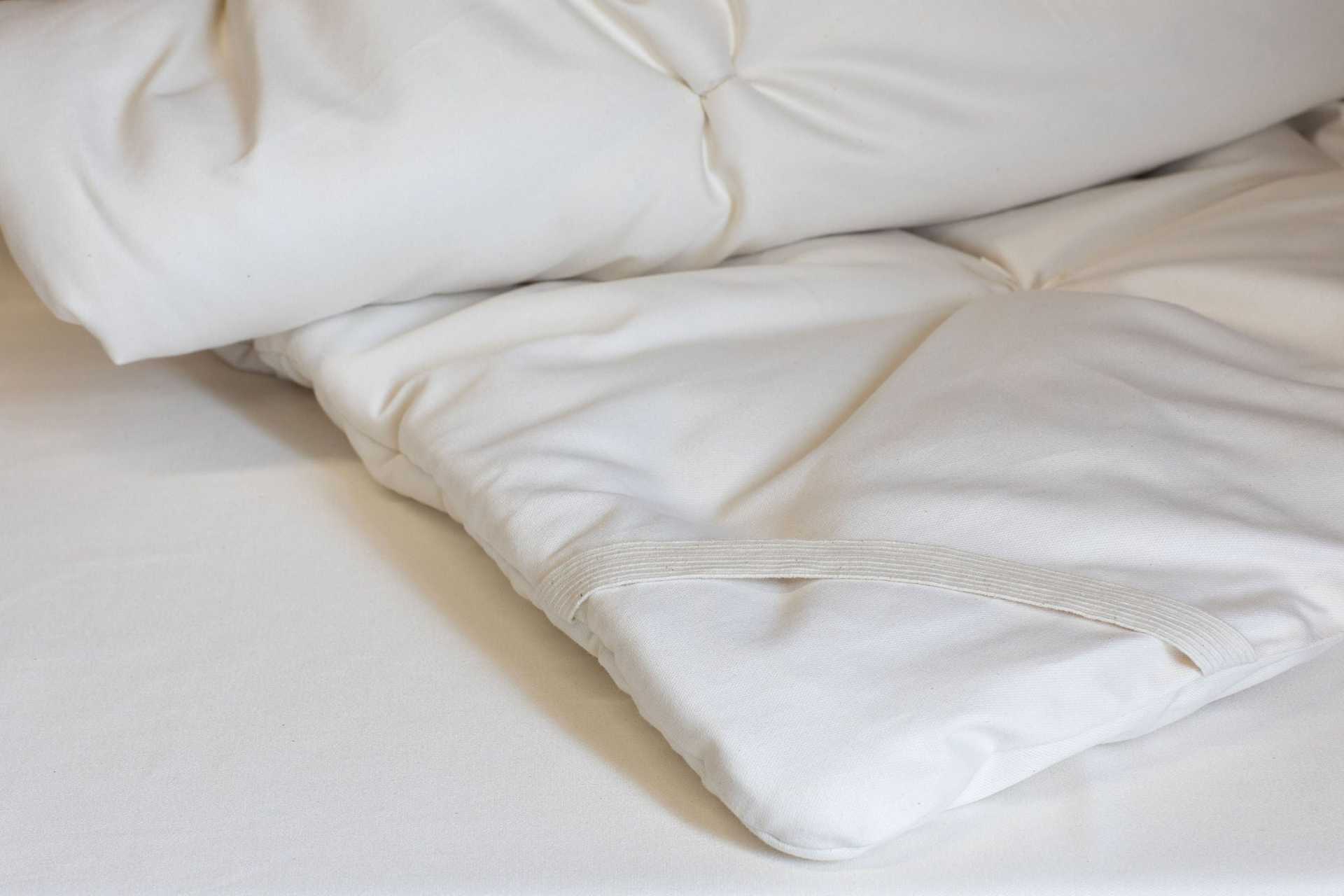
Within the Natural Child's Crib Mattress Topper category, product considerations include size compatibility, edge support, and ease of cleaning. Functional benefits often feature improved spinal alignment for infants and toddlers, temperature regulation through breathable fabrics, and incremental cushioning that adapts to evolving comfort needs during growth and development.
Relevant keywords such as bedding, pillows, sheets, organic mattresses, and organic crib mattresses appear naturally when discussing topper materials, care guidelines, and usage contexts. By focusing on educational information about materials, construction, and practical applications, readers gain insight into how a springless mattress topper can contribute to healthier sleep environments and better long-term sleep quality.
 Bedding